Agricultural Missions, Inc. and Week of Compassion Continue Fourth Consecutive Year of West Africa Initiative Gender Justice Partnership
Renewed 2026–2027 support will help 270 girls in Liberia and Sierra Leone remain in school while strengthening community-led responses to gender-based violence
NEW YORK, NY — Agricultural Missions, Inc. (AMI) is pleased to announce renewed 2026–2027 grant support from Week of Compassion for AMI’s West Africa Initiative titled Promoting Gender Rights: Preventing Violence Against Women and Supporting Girls’ Education.
This marks the fourth consecutive year that Week of Compassion has funded this gender justice partnership through the West Africa Initiative. The renewed support builds on three years of work with girls, families, schools, local leaders, and community-based organizations in rural Liberia and Sierra Leone.
The 2026–2027 program will support 270 girls in 18 villages, with 135 girls in nine villages in Liberia and 135 girls in nine villages in Sierra Leone. The girls are enrolled in Junior and Senior Secondary Schools and are part of three cohorts that entered the program in the 2021–2022, 2022–2023, and 2023–2024 school years. The first cohort is expected to complete high school in 2027.
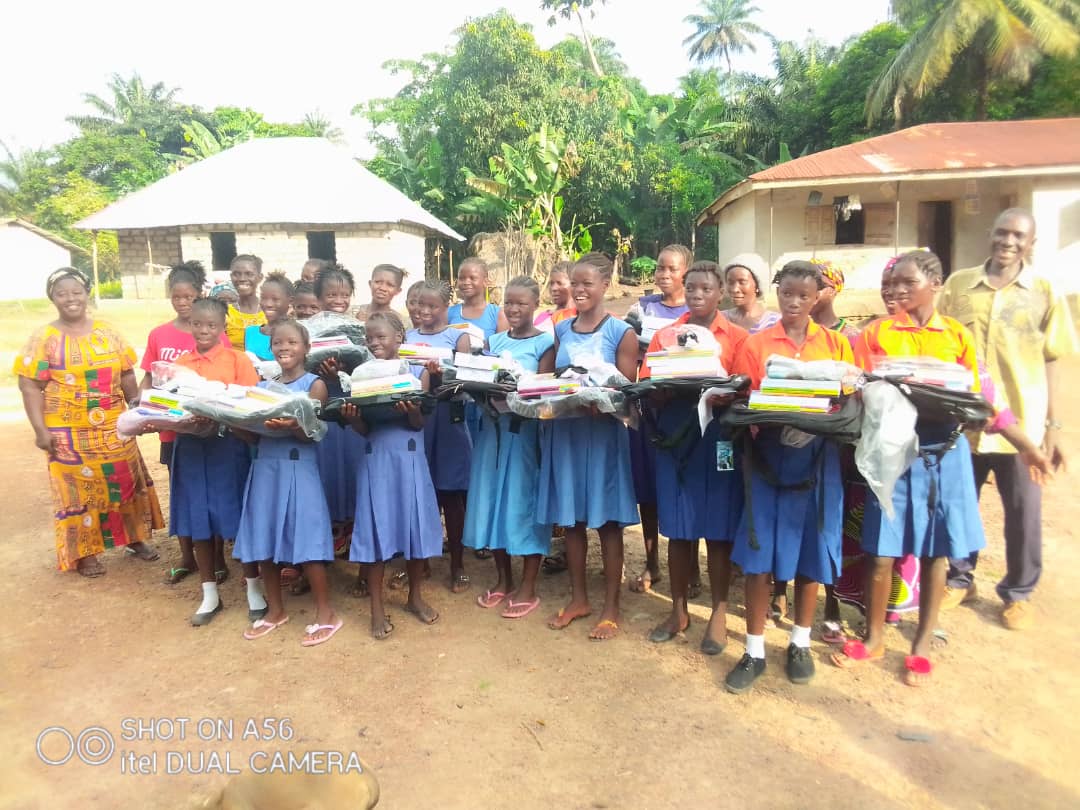
Through the program, girls receive practical school support, including books, school supplies, uniforms, and shoes, along with counseling and peer support. The program also works with parents, schools, community leaders, and local stakeholders to monitor girls’ progress and strengthen the local support systems that help girls stay in school.
“At its core, this partnership is about girls staying in school and communities building the systems that make that possible,” said Winston Carroo, Director of International Programs at Agricultural Missions, Inc. “Week of Compassion’s continued support allows local partners to address gender-based violence and discrimination while also reducing the practical barriers that too often push girls out of school. As AMI reawakens its public voice, the West Africa Initiative shows what has remained constant: local leadership, accountable partnership, and a long-term commitment to food security, education, and the rights of women and girls.”
Implementation is led by AMI’s local partners: the West Africa Initiative of Liberia in Liberia and the Village to Village Federation in Sierra Leone. These country-based organizations have been central to the West Africa Initiative’s locally rooted model, working with farmers’ groups, youth groups, families, and rural communities to address food security, youth participation, women’s advancement, and community development.
The 2026–2027 program also includes community-based awareness sessions on gender-based violence in six communities, reaching an estimated 450 men and women, including community leaders and other local stakeholders. Program activities include community watch groups, mediation and counseling, links between communities and available support services, and peer counseling units for teenagers in high schools.
The work is intentionally connected to the broader West Africa Initiative model. In rural communities where food insecurity, poverty, and gender-based discrimination overlap, girls’ education cannot be separated from family stability, community safety, local food production, and youth leadership. The West Africa Initiative brings these elements together through a locally led approach that supports food security, strengthens community capacity, and advances the status of women and girls.
For AMI, this fourth year of Week of Compassion support is also a timely opportunity to make visible work that has continued steadily through local partnership. AMI has been engaged with local partners in the West Africa Initiative since 2008, when the program emerged from recovery and reconstruction efforts following the civil wars in Liberia and Sierra Leone. Since then, the work has grown from an initial focus on local food production into a broader community-led model that includes food security, youth agriculture, ecological farming practices, gender rights, and girls’ education.
The 2024 program reported increased food security in participating communities, an average 20 percent increase in staple food production compared with 2023, hundreds of men and women reached through education and sensitization sessions, and 345 girls supported to date through the school support program.
“The funds entrusted to this work are managed through local partners and monitored on the ground,” Carroo said. “AMI is committed to responsible, locally accountable use of resources, clear reporting, and ongoing evaluation with the communities implementing the program. The goal is not simply to complete activities, but to strengthen local systems that can continue supporting girls, families, and rural communities over time.”
The 2026–2027 project includes ongoing monitoring by participating groups and local partner organizations, evaluation and monitoring committees established by local Boards of Directors, and mid-year and end-of-year evaluations by AMI. Reports, financial accountability, photos, and stories of transformation will be shared with Week of Compassion throughout the grant period.
Week of Compassion has previously highlighted the West Africa Initiative as an example of community-led, locally focused partnership, including stories of farmers, girls, and communities in Liberia and Sierra Leone working to change their future. This renewed grant support offers a next chapter in that story: girls who entered the program years ago are now moving toward high school completion, while communities continue strengthening the local systems that help women and girls live with greater safety, recognition, and opportunity.
About Agricultural Missions, Inc.
Agricultural Missions, Inc. works with rural communities and local partners to advance food sovereignty, human rights, sustainable development, and community-led transformation. Through the West Africa Initiative, AMI supports locally rooted work in Liberia and Sierra Leone focused on food security, youth leadership, gender rights, and the advancement of women and girls.
About Week of Compassion
Week of Compassion supports relief, refugee response, and sustainable development through partnerships in the United States and around the world. Its support for the West Africa Initiative reflects a commitment to locally led development, women’s empowerment, education, and community resilience.