Question: What does AMI do?
Answer: AMI has been working alongside rural communities since 1930. The organization was founded by Dr. John R. Mott, a global leader in international cooperation who later received the Nobel Peace Prize in 1946 for his efforts to foster understanding and collaboration across national boundaries. While AMI has evolved significantly since its founding, that spirit of bringing people together to address shared challenges remains central to our work today.
Originally rooted in faith-based organizing, AMI grew into an independent grassroots nonprofit focused on equity, food sovereignty, and sustainable development. For nearly a century, the organization has worked alongside rural communities confronting economic inequities, barriers to opportunity, and challenges within agricultural systems.
Question: What about today?
Answer: AMI serves as a convener, connector, and advocate. We bring together farmers, rural leaders, educators, cooperative developers, faith communities, researchers, and grassroots organizations to learn from one another and build solutions that reflect local priorities and lived experience.
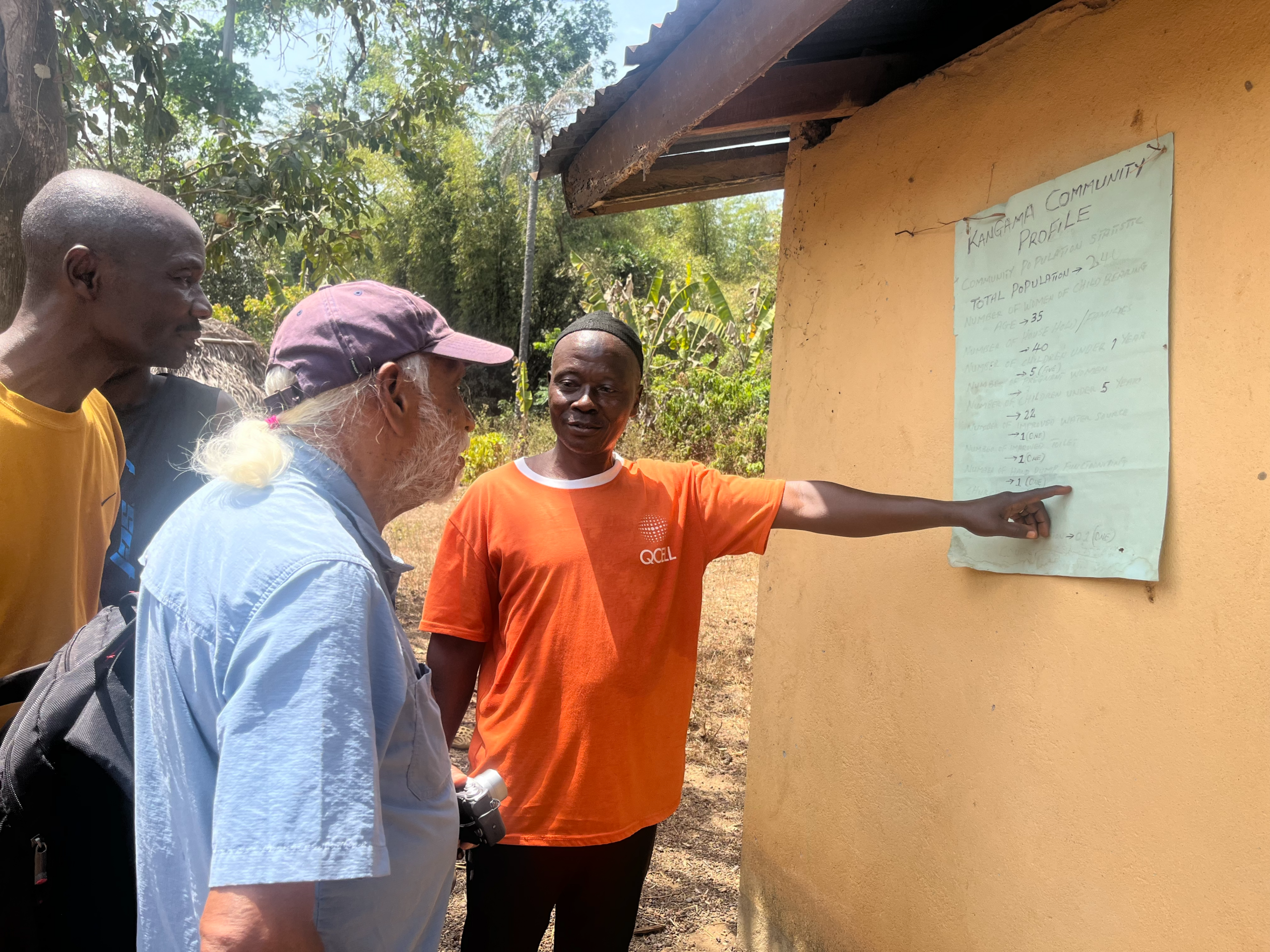
Our work has included organizing study sessions on rural equity and food sovereignty, supporting advocacy efforts around the Farm Bill, partnering with institutions such as Tuskegee University and the Federation of Southern Cooperatives, and strengthening relationships among organizations working throughout the Black Belt region. Since 2020, AMI has also expanded its work internationally through the West Africa Initiative, connecting rural leaders in Sierra Leone and Liberia around issues including youth agriculture and girls’ education.
Whether in the Black Belt of the United States or communities across West Africa, AMI’s role is not to tell communities what they need. Our role is to help create the relationships, conversations, and partnerships that allow communities to define their own priorities and work collectively toward long-term solutions.
Question: Is there a piece of policy on your radar?
Answer: One issue that consistently draws our attention is the Farm Bill.
While it may sound like legislation that only affects farmers, the Farm Bill is one of the most influential pieces of policy affecting rural America. It helps shape federal investments in agriculture, conservation, nutrition programs, rural development, and access to resources through the U.S. Department of Agriculture.
For AMI, the Farm Bill matters because the decisions made in Washington have real consequences in communities across the country. They affect who has access to land, technical assistance, conservation programs, food resources, and economic opportunities.
Question: How has AMI been involved in this legislation?
Answer: AMI has participated in Farm Bill advocacy efforts through partnerships with Alcorn State University’s Policy Center and dozens of community-based organizations. Together, these partners have worked to elevate issues such as racial equity, heirs’ property, food insecurity, and opportunities for young people in agriculture.
We are also interested in broader conversations about rural development and regional equity. In recent years, AMI worked with Oxfam, Tuskegee University, and the Federation of Southern Cooperatives in discussions surrounding the creation of a Black Belt Commission modeled after the Appalachian Regional Commission. These conversations reflect a larger question that has guided AMI’s work for decades: how can rural communities gain greater access to the resources, investments, and opportunities they need to thrive?
At its core, AMI’s policy work is about ensuring that the voices of rural communities, small farmers, and historically underserved populations are part of the conversations that shape the future of agriculture and rural development.
Question: What can people look forward to seeing from AMI within the near future?
Answer: The future of AMI is rooted in relationships that have been built over decades and strengthened through partnerships across communities, regions, and even continents.
One area of continued focus is the West Africa Initiative. Since launching in 2008, the initiative has connected rural leaders in Sierra Leone and Liberia around issues such as youth agriculture and girls’ education. Through community visits, dialogue, and relationship-building, AMI continues to learn from and collaborate with leaders who are addressing many of the same challenges facing rural communities around the world.
Question: And in the U.S.?
Answer: Closer to home, AMI remains committed to strengthening connections throughout the Black Belt region of the United States. The organization continues bringing together farmers, community leaders, advocates, researchers, educators, and partner organizations to discuss issues such as food sovereignty, climate resilience, cooperative development, and rural equity.
AMI’s work has always been grounded in the belief that meaningful change happens when people have opportunities to learn from one another, share experiences, and work toward common goals. As new challenges emerge in agriculture and rural communities, AMI will continue creating spaces for dialogue, collaboration, and collective action.
For nearly a century, AMI has adapted to changing times while remaining committed to the same core principle: communities are strongest when the people most affected by challenges have the opportunity to help shape the solutions.