Formally chartered in 1934, AMI brings a 92-year global legacy of rural solidarity, exchange, and people-led development to today’s climate work.
NEW YORK, NY – Agricultural Missions, Inc. (AMI) announced a $29,000 general operating support grant from the United States Climate Action Network (USCAN). The flexible investment will help AMI strengthen the organizational foundation that makes effective, responsive, and community-led, climate-aligned work possible.
The grant was awarded to AMI for innovative climate crisis solutions with a focus on front-line Black Southern farmers. Black communities have been cited as leaders throughout the Southern climate crisis battle, despite being exposed to its exacerbated consequences.
Black farmers have lost over 90% of their land since 1910 due to systemic discrimination. These communities face disproportionate barriers to accessing capital, federal resources, and decision-making spaces, despite being on the frontlines of agricultural and environmental change. Through coalition-building across the U.S. Black Belt, AMI is creating space for farmers, agricultural workers, and rural families to define priorities and shape shared strategies, shifting decision-making power to those directly affected.
“AMI’s story has always been about connecting rural communities without flattening their differences,” said Sabrina Diz, Executive Director of AMI. “Black farmers in the U.S. South and rural farmers, women, and youth in Liberia and Sierra Leone face distinct histories, but they share the need for greater control over land, food systems, livelihoods, and the decisions that shape their futures. General operating support from USCAN gives AMI the flexible capacity to build those bridges responsibly and ensure that learning and solidarity move in both directions.”
Unlike funding restricted to a single project, general operating support allows AMI to direct resources where they can have the greatest impact across the organization. It supports both visible program work and the essential capacity behind it: the staff, systems, planning, relationships, and safeguards that turn missions into durable results.
A global legacy built for this moment
AMI traces its organizational roots to 1930 and was formally chartered in 1934 under the leadership of Dr. John R. Mott, with a vision that was international from the start. Its original charter called for supporting people and institutions working to facilitate the exchange of agricultural knowledge and experience among nations, and coordinating action across the rural mission movement. In its early decades, AMI helped denominational boards select and send rural and agricultural representatives to approximately 50 countries while supporting the training of local pastors serving rural churches. Twelve years after AMI’s 1934 charter, Mott received the 1946 Nobel Peace Prize for his broader contribution to building a peace-promoting religious fellowship across national boundaries.
That global vision took a decisive turn in 1979, when AMI convened the Jayuya Consultation in Puerto Rico. The gathering brought together 140 participants from Asia, Africa, North America, the Middle East, Latin America, the Caribbean, and the Pacific. Participants unanimously affirmed and expanded the published work The Christian Rural Mission in the 1980s – A Call to Liberation and Development of Peoples, rooting rural mission in the realities of rural people and calling AMI to deepen its support for people’s movements through networking, communication, exchanges, training, and constituency education designed to move people to action. The gathering also generated a formal consultation report. That published record reached its 45th anniversary in 2024, while Living with the Mandate preserved later reflections on how the Jayuya ideas shaped AMI’s practice.
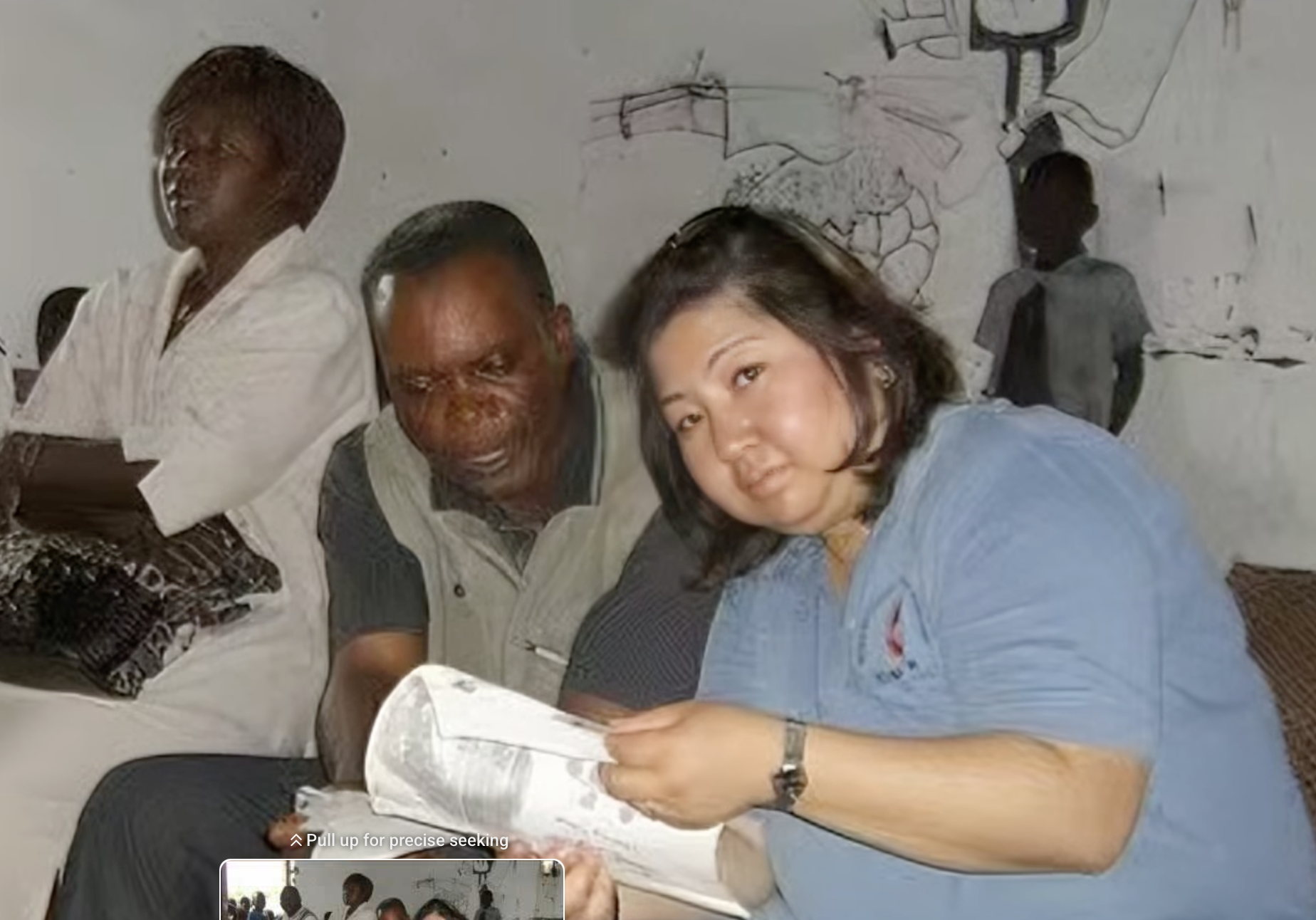
The reach of that mandate was extraordinary. AMI’s historical record documents learning exchanges between organic farmers in Kenya and Zimbabwe; Nicaraguan campesinos and U.S. farmworkers; farmers in the Philippines and Indigenous Iban communities in Sarawak; and rural technicians in Senegal and small producers in Haiti. Its education work connected North American constituencies with the experiences of Filipino peasants organizing for agrarian reform, Brazil’s landless workers, and Black and family farmers confronting the U.S. farm crisis of the 1980s.
The continuity is striking: for generations, AMI has treated rural people not as recipients of top-down solutions, but as leaders, teachers, and partners. Today’s work with Black farmers and rural communities across the U.S. South is not a new direction; it is the present-day expression of that global mandate.
Those original ideas remain surprisingly relevant – and notably ethical – by today’s international development standards. The field now commonly describes this approach as locally led development: local actors identify priorities, develop solutions, lead decisions, and build the institutions needed to sustain results, while outside organizations facilitate rather than direct. AMI’s Study Sessions, farmer exchanges, local partner model, and current Farmer Field Schools in West Africa embody that same principle: people closest to the challenge must help lead the solution.
One mandate, connected across continents
AMI is carrying that approach forward today by connecting its work across the U.S. Black Belt, Liberia, and Sierra Leone. In the Black Belt, AMI supports rural farmers and agricultural workers through coalition-building, Study Sessions, community education, research partnerships, and advocacy focused on land, food systems, climate resilience, and equitable access to resources and decision-making.
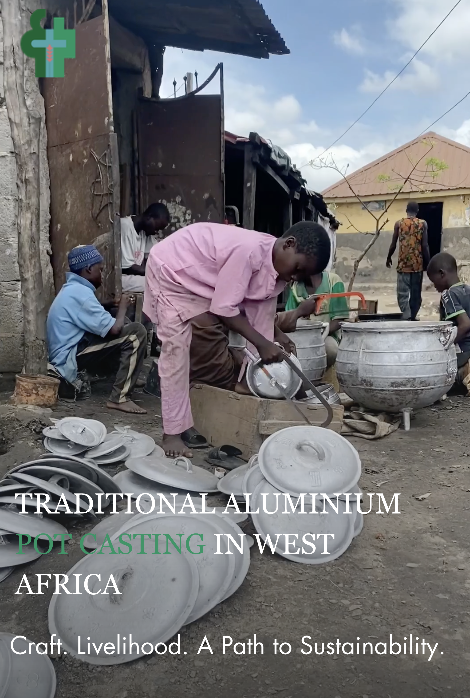
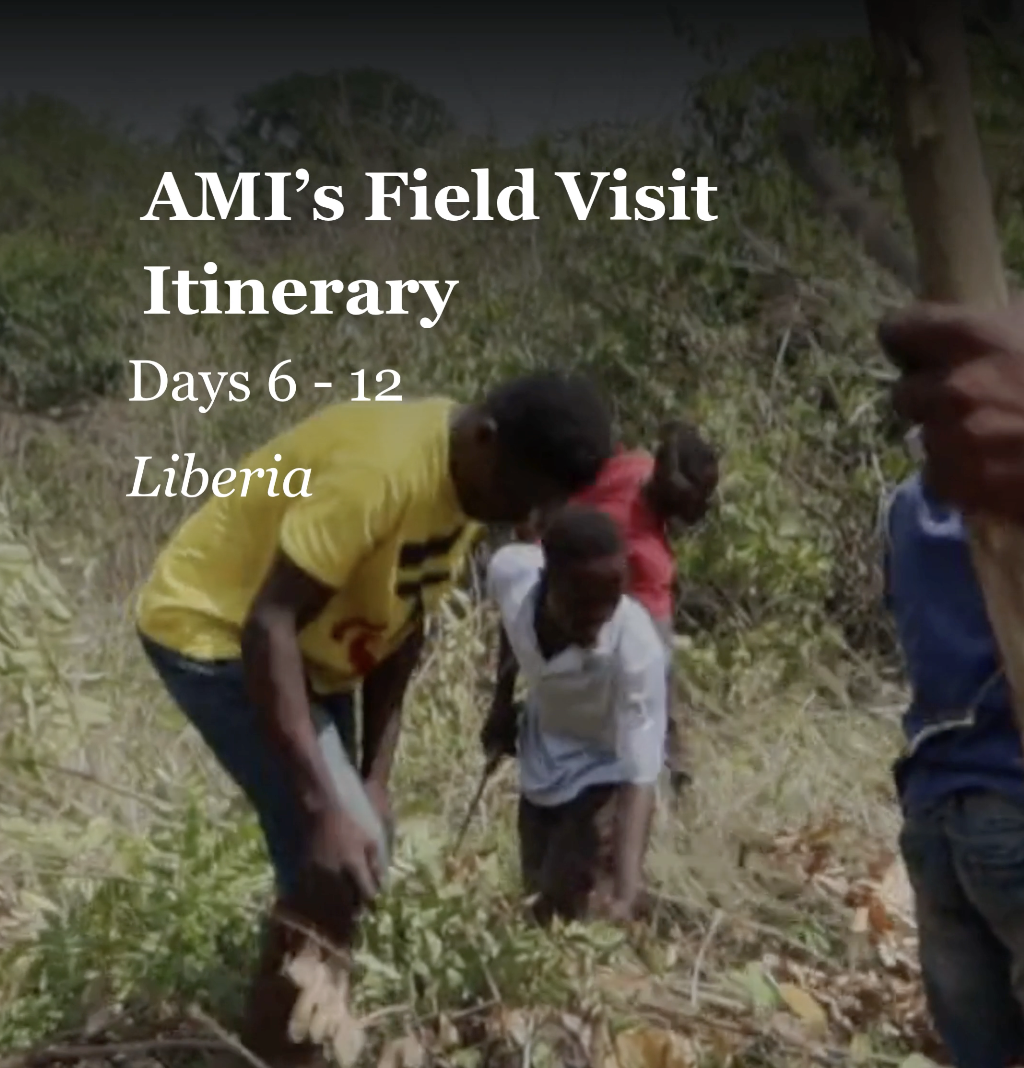
In Liberia and Sierra Leone, AMI’s West Africa Initiative works with locally rooted partner organizations and rural communities on Youth in Agriculture and Gender Justice programs. Farmer Field Schools, sustainable agriculture, food production and storage, small-livestock activities, agribusiness training, and community leadership strengthen food security, livelihoods, and resilience. Girls’ education initiatives help cover school fees, uniforms, and supplies while providing mentoring and leadership opportunities.
Black farmers in the U.S. South can learn from West African approaches to cooperative farming, food sovereignty, and community resilience, while partners in Liberia and Sierra Leone can engage lessons from U.S. struggles for land retention, racial justice, and public accountability. AMI serves as the bridge, continuing its historic role of linking rural communities across borders without erasing what makes each place unique.
Building the engine behind the mission
The USCAN award will help AMI invest across the full organization, including the following high-leverage areas:
Program strength and continuity. Sustaining the staff capacity, coordination, monitoring, and core infrastructure that keep community-centered programs consistent, responsive, and accountable.
A stronger fundraising engine. Expanding grant readiness, donor stewardship, relationship-building, and revenue diversification so AMI can pursue long-term sustainability and reduce dependence on any single funding source.
Outreach that moves people to action. Strengthening communications, storytelling, digital engagement, and public education so community priorities, lessons, and results reach partners, supporters, policymakers, and the broader public.
Strategy, learning, and governance. Supporting strategic planning, board and staff alignment, performance measurement, and organizational learning so AMI can make disciplined decisions and adapt as community needs evolve.
Financial transparency and institutional integrity. Supporting the audit of AMI’s financial statements, strong internal controls, compliance, risk management, and clear public reporting that reinforce trust and accountability.
Modern, resilient operations. Improving technology, data and knowledge management, staff development, and continuity planning so AMI can work securely, efficiently, and effectively through periods of change.
The award continues a publicly documented relationship between AMI and USCAN that extends at least to 2019, when AMI reported participating in USCAN and joining USCAN members in international climate strategy discussions. Subsequent USCAN support helped AMI engage frontline BIPOC communities in climate resilience, locally controlled food systems, rural energy democracy, and equitable representation in utility governance. The new award also builds on $5,000 in general operating support AMI received from USCAN last year, deepening at least seven years of publicly documented collaboration.
This increased investment recognizes that lasting climate and agricultural progress depends not only on strong programs, but also on healthy organizations with the capacity to listen, learn, collaborate, and sustain their work over time.
AMI serves rural, predominantly Black communities across the U.S. Black Belt, including farmers, agricultural workers, and multigenerational rural families navigating climate change, economic marginalization, and land insecurity. AMI’s work includes leadership development, coalition-building, community-based education, research partnerships, and convenings that ensure people closest to the challenges help shape the solutions.
About Agricultural Missions, Inc.
From early agricultural mission work in approximately 50 countries to farmer exchanges and people’s movements across Africa, Asia, Latin America, the Caribbean, and North America, AMI has built a historic global footprint grounded in rural leadership, shared learning, and solidarity.
About United States Climate Action Network
United States Climate Action Network urgently drives bold and equitable climate action by fostering collaboration among a diverse network of organizations and providing resources to accelerate collective impact from the local level to the global scale.